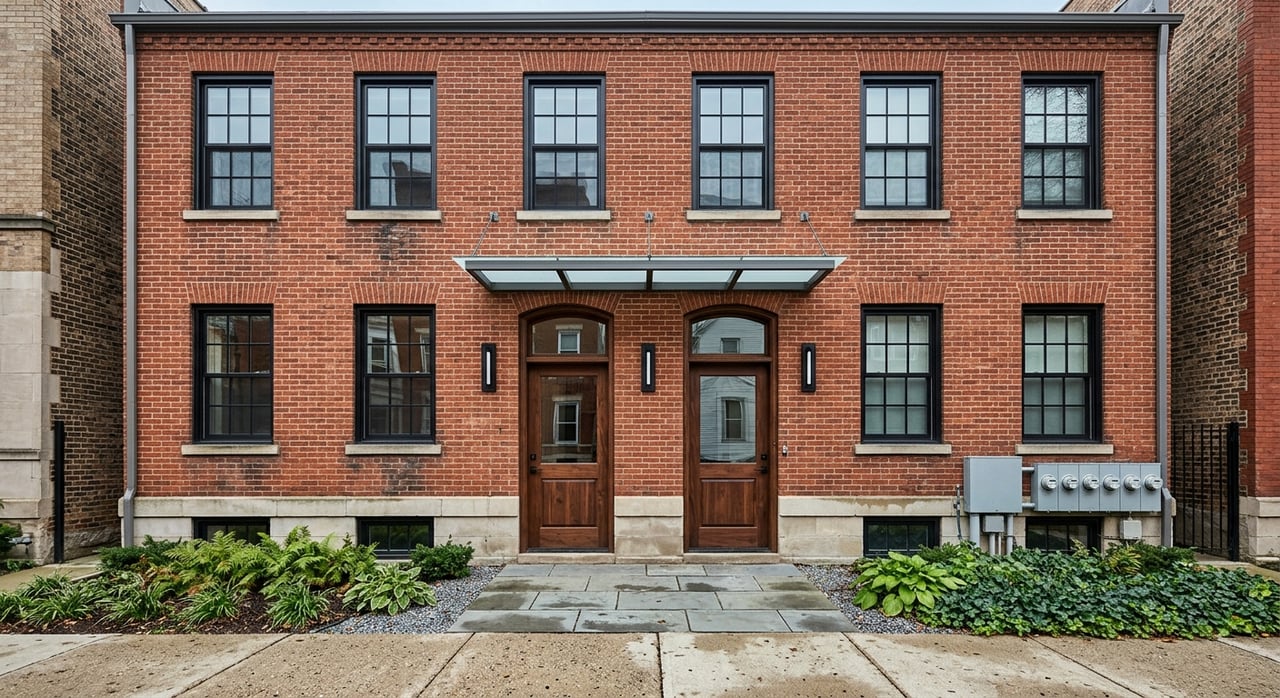
Cliffside Park Multi-Family Homes: A Guide to Buying Duplexes
July 9, 2026
July 9, 2026
If you are thinking about buying a duplex or small multi-family home in Cliffside Park, the opportunity is real, but so is the homework. This borough has a strong multi-unit housing base, steady occupancy, and useful commuter access, which can make these properties appealing whether you plan to live in one unit or rent out the whole building. At the same time, local rules around taxes, parking, permits, lead inspections, and rent control can have a direct impact on your numbers. Let’s dive in.
Cliffside Park has a housing profile that naturally supports duplex and multi-family ownership. Census-based data shows about 11,174 housing units in the borough, with roughly 95% occupied and about 72% located in multi-unit structures. That kind of housing mix tells you this is not a niche segment here. It is part of the borough’s core real estate landscape.
The numbers also show a market that serves both owners and renters. About 51% of occupied housing is owner-occupied, the median value of owner-occupied homes is $588,200, and the median gross rent is $1,783. For buyers, that creates a useful starting point when comparing the cost of ownership to rental income potential.
Before you shop, it helps to know how Cliffside Park distinguishes these property types. The local zoning code defines a two-family dwelling as a detached building occupied by two families living independently. A multi-family dwelling is a building occupied by three or more families.
In practical terms, that means the borough can offer a range of options, from detached duplexes to townhouse-style multi-unit properties and larger apartment buildings. What you can do with a property depends heavily on the zoning district, so the label in the listing is only the beginning.
Cliffside Park’s code recognizes several residential zones tied to this housing type, including:
If you are focused on a classic duplex, the R-2 zone matters most because it explicitly permits two-family detached dwellings. If you are considering a larger small multi-family investment, the other multi-family districts may be more relevant depending on the asset.
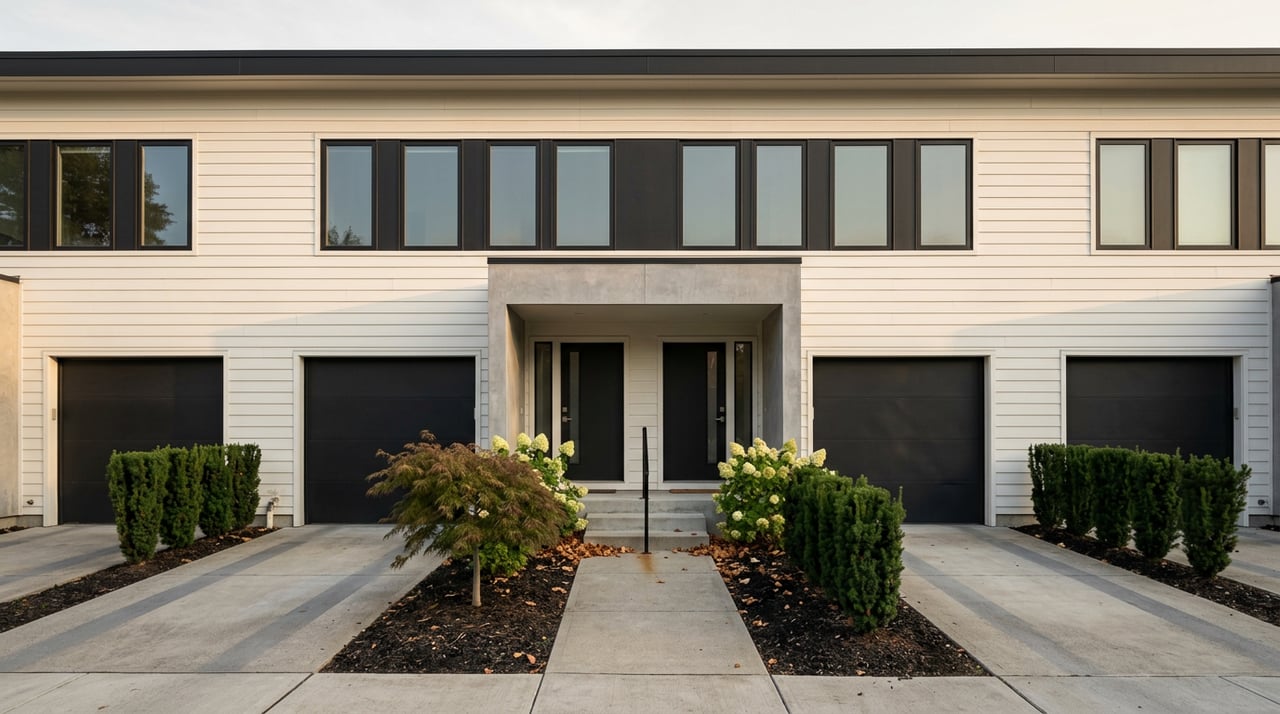
In Cliffside Park, parking is not just a nice extra. It is part of the underwriting. In the R-2 zone, the code requires two enclosed parking spaces per dwelling unit.
That requirement can affect both purchase decisions and renovation plans. A property that already meets parking standards may offer a smoother path to ownership and leasing, while one with limited parking can create added cost or reduce your flexibility.
A duplex that looks great on paper can feel very different once you account for carrying costs. Cliffside Park’s 2025 general tax rate is listed at 2.836, which makes property taxes a central part of any analysis.
For owner-occupants, that means your monthly budget needs to account for more than the mortgage payment. For investors, it means taxes can materially change cash flow and returns, even in a market with solid rental demand.
Cliffside Park benefits from both occupancy stability and commuter access. Census-based data shows a 10.6% moved-in-the-previous-year rate, which points to healthy turnover without suggesting chronic vacancy.
Transit access also adds to the appeal. NJ Transit schedules show Cliffside Park stops on routes 156 and 159, with service through the Palisades corridor toward Fort Lee, Edgewater, and New York City. For many buyers, that combination of location and rental base is one reason duplexes and small multi-family properties remain worth a close look.
One of the most important local rules involves rent control. In Cliffside Park, dwelling places of three units or less are generally exempt. The borough also exempts a three-family housing unit when one unit is owner-occupied.
That can be especially important if you plan to live in one unit yourself. A house-hacking strategy may look very different in a property that falls outside rent control than in one where rent limits apply.
In a multi-unit structure with at least three rented, non-owner-occupied dwelling units, those rented units are subject to borough rent control. The ordinance allows vacancy decontrol when a unit becomes vacant, and newly constructed units rented for the first time are exempt at the initial rent.
For ongoing increases, the borough caps ordinary rent increases at 5% after 12 months, with a 3% cap for qualified senior or disabled tenants. If you are buying for income, these rules should be part of your analysis from day one.
Many buyers focus on price, layout, and projected rent, then deal with compliance later. In Cliffside Park, that approach can create problems. The borough requires an occupancy permit or continued certificate of occupancy before a house, apartment, or other residential structure is sold, rented, or leased.
That means pre-closing diligence matters. If you are buying a duplex or small multi-family home, you want clarity on what permits, inspections, or corrections may be needed before a new occupant can move in.
Lead-paint compliance is another major issue, especially in older housing stock. New Jersey’s lead paint law applies to single-family, two-family, and multiple rental dwellings. For pre-1978 properties, inspections are generally required within two years of the law’s effective date or at tenant turnover, and then every three years after that unless an exemption applies.
Cliffside Park’s property maintenance code also states that owners, landlords, or agents of single-family, two-family, and multiple dwelling units offered for rental must obtain a lead-based-paint inspection. If you are buying an older duplex, this is not a minor detail. It should be in your budget from the start.
If the property has three or more dwelling units, there may be another layer of compliance. The New Jersey Department of Community Affairs Bureau of Housing Inspection registers and inspects multiple-family buildings of three or more dwelling units, with annual recertification required for registered properties.
For small portfolio owners, that means operations go beyond collecting rent and handling repairs. Registration, inspections, and recertification can all affect your timeline and expenses.
If you want to live in one unit and rent the other, Cliffside Park can be a compelling market. The borough’s strong multi-unit profile, stable occupancy, and transit access can support that strategy. But the property still needs to work on a day-to-day and financial level.
Focus on a few practical questions:
A duplex that helps offset your housing costs can be a smart move. Still, the best outcomes usually come from realistic budgeting, not optimistic assumptions.
For investors, the first pass should be disciplined and local. In Cliffside Park, returns can be shaped as much by regulation and carrying costs as by rent levels.
Start with the core items that most directly affect performance:
In this market, strong deals are often built on careful underwriting and compliant improvements. They are less likely to come from assuming easy rent growth.
In Cliffside Park, value-add opportunities tend to be practical rather than flashy. Unit refreshes at turnover, system upgrades, lead-safe certification in older homes, exterior improvements, better parking presentation, and more functional layouts can all matter.
The key is to stay grounded in what is legal and feasible. The borough code makes clear that local standards are minimum standards and that more restrictive standards in other laws or ordinances may apply. If you are considering a conversion or major repositioning plan, checking with the building department early is essential.
Cliffside Park offers real potential for both owner-occupants and investors who want duplexes and small multi-family properties in a transit-served Bergen County location. The borough’s high share of multi-unit housing, solid occupancy, and established rental base all support demand.
The bigger story, though, is balance. Opportunity here comes with rules, and those rules can directly affect value, cash flow, and timing. If you want to buy smart in Cliffside Park, you need to evaluate the property itself and the tax, zoning, parking, permit, lead-safety, and rent-control framework around it.
If you are weighing a duplex, three-family, or small multi-family opportunity in Cliffside Park, Michael Broderick can help you assess the property, the local market, and the details that matter before you make your move.
Stay up to date on the latest real estate trends.
With our knowledge and expertise in local trends of this ever-evolving market, we are dedicated to helping buyers and sellers alike.
RIDGECO PROPERTIES
RIDGECO PROPERTIES INC
613 Bergen Blvd
Ridgefield NJ 07650
