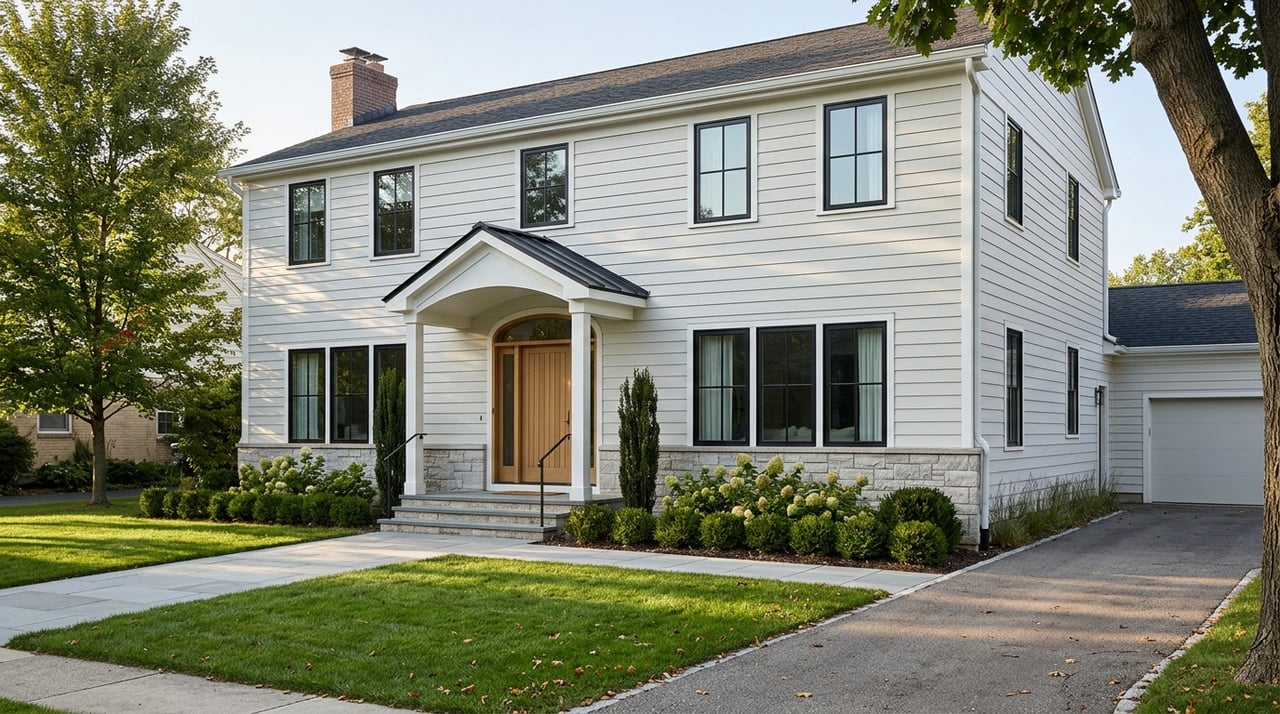
Buying A Single-Family Home In Closter
June 18, 2026
June 18, 2026
If you are thinking about buying a single-family home in Closter, you are probably looking for more than square footage alone. You want the right mix of space, setting, commute convenience, and long-term value in a Bergen County market where inventory can feel limited and every home has its own story. This guide will help you understand what makes Closter distinct, what to expect from the housing stock, and how to evaluate a home with confidence. Let’s dive in.
Closter has a layered housing history that shapes what you see on the market today. The borough began as a Dutch settlement in 1710, grew as a railroad suburb after 1859, and later evolved again as an early automobile suburb. That history shows up in the homes themselves, from older farmhouses to Victorians and early 20th-century infill.
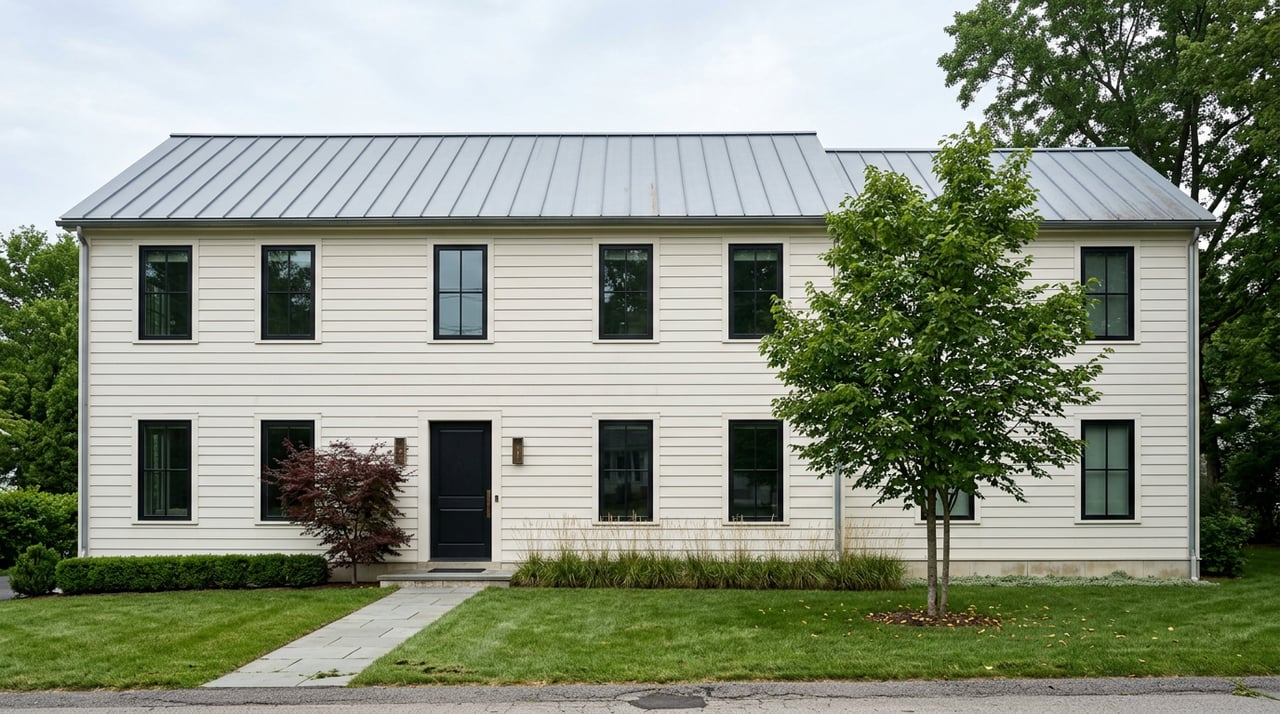
For buyers, that means Closter rarely feels one-note. Instead of rows of lookalike homes, you will often find a mix of architectural styles and neighborhood patterns. That variety is a big part of the borough’s appeal, especially if you want a home with character as well as function.
Closter is also a strongly single-family market. According to the borough’s 2023 ACS-based housing plan, 91.3% of housing units are single-family detached homes. More than half of the housing stock, 53.5%, has four or more bedrooms, which helps explain why Closter continues to attract buyers looking for larger homes in a commuter-friendly Bergen County location.
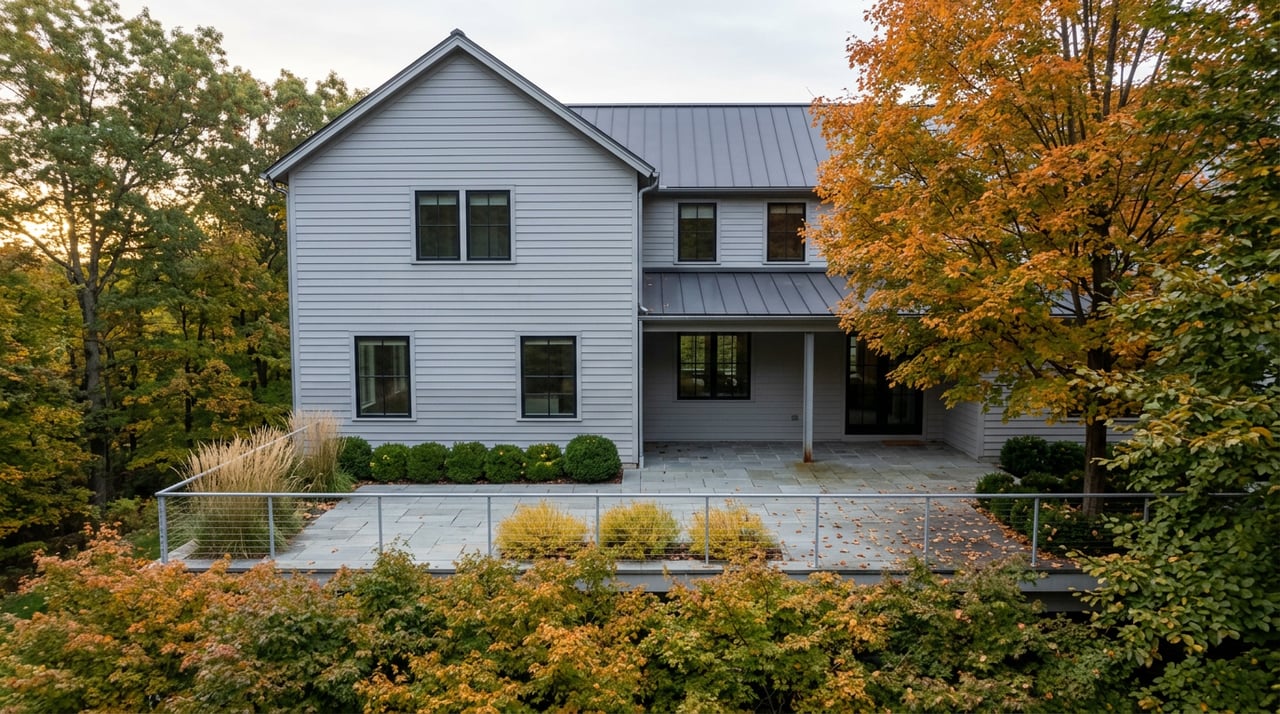
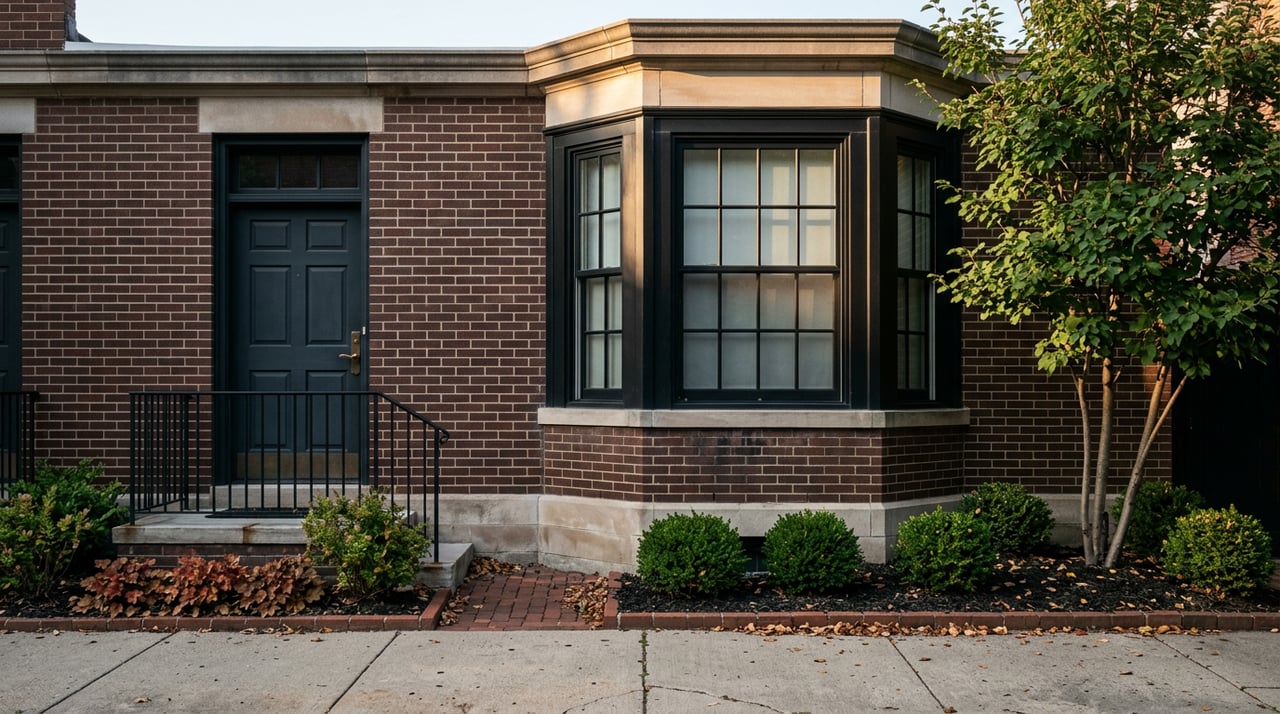
Closter offers a broader range of home styles than many nearby suburban markets. Local preservation materials point to early Dutch sandstone houses, Federal and vernacular Greek Revival homes, Victorians, Colonial Revival, Dutch Colonial Revival, Foursquare, Bungalow, Stick-style homes, and even a mid-century Lustron House.
In practical terms, that means your home search may include very different properties at similar price points. One buyer may prefer period details and a more established footprint, while another may focus on later construction with a more open layout. In Closter, both paths can exist within the same market.
Many local homes are also considered vernacular, which means they may borrow from a style without following every classic design rule. That can be a plus if you appreciate individuality, but it also makes careful property-by-property evaluation more important.
Lot size in Closter can vary depending on where you look. Historic preservation materials note that lots near the old Closter City train depot tend to be narrower and smaller than those found a few blocks away. Historically, business owners often lived on larger lots farther from the depot.
That pattern still matters when you search today. A sample of active listings cited in the research ranged from a 7,405 square foot lot to about 0.29 acres. While live inventory changes, that gives you a reasonable working range for what you may encounter in the current market.
If yard use matters to you, pay attention to more than the lot number on paper. The shape of the lot, drainage, privacy, driveway placement, and usable outdoor area can have just as much impact on daily living as total square footage.
One of the most important things to know about buying in Closter is the age of the housing stock. The borough’s housing-plan data show that 38.8% of units were built from 1940 to 1959, 20.7% from 1960 to 1979, and 19.4% in 1939 or earlier. Only 5.6% were built from 2000 onward.
That age profile helps explain why many homes may need some level of updating, even when they are well located and visually appealing. Depending on the property, you may need to think about cosmetic improvements, systems work, or both. The right house for you may be one that is fully updated, one that needs selective improvements, or one that offers room to personalize over time.
At the same time, older does not automatically mean poor condition. Closter’s 2023 housing-plan report says no units lacked complete plumbing or kitchen facilities, and only 1.9% had more than one person per room. Overall, that suggests the borough’s housing conditions are generally strong.
Because so much of Closter’s housing stock predates 1980, it is smart to budget beyond the contract price. Depending on the home, buyers may need to account for work related to roofs, windows, insulation, HVAC, kitchens, baths, electrical systems, plumbing, drainage, and landscaping refreshes.
That does not mean every home will need all of those items. It does mean you should enter the process with a realistic reserve for inspections, immediate repairs, and short-term improvements. A beautiful layout and strong location can still come with a to-do list.
A helpful approach is to separate upgrades into three buckets:
This framework can help you compare homes more clearly, especially when deciding between a more updated property and one with stronger upside.
For many buyers, Closter’s appeal goes well beyond the front door. The borough’s official site highlights six parks, athletic fields, a youth recreation program, and a renovated shopping plaza. It also points to convenient positioning between the Tappan Zee and George Washington bridges, with a Manhattan or Westchester commute in less than an hour.
Those factors can shape your day-to-day experience as much as the house itself. Access to shopping, dining, recreation, and commuting routes often becomes a major part of how buyers narrow their search.
The local Environmental Commission also points residents toward passive recreation sites, Buzzoni Farm, trail maps, the Closter Nature Center, and five active parks with ballfields and tennis courts. If outdoor access is important to you, that network is worth keeping in mind as you compare locations within the borough.
Closter is not a market with endless inventory. In 2020, the borough had 2,891 housing units, with 95.5% occupied and 82.6% owner occupied. A high ownership rate often means fewer homes come up for sale at any given time.
That helps explain why the for-sale pool can stay relatively tight. Good homes may still move well, even when the market is not uniformly aggressive across every price point and style.
Current portal snapshots in the research show a small active inventory, but the numbers vary by source. Redfin reports 21 active homes and a median sale price of $1.659 million over the last three months ending May 2026, with an average of 107 days on market. Realtor.com shows 19 homes for sale through March 2026, a median list price of $1.499 million, and 34 days on market.
The main takeaway is simple: live MLS data matter more than any single portal snapshot. Public-facing sites can give you a feel for the market, but serious buyers should track real-time pricing, status changes, and comparable activity closely.
Closter appears to be selectively competitive rather than uniformly overheated. Redfin describes the market as somewhat competitive and notes that some homes receive multiple offers. Realtor.com reports a 99% sale-to-list ratio, while Redfin’s recent sold examples ranged from slightly under list price to 25% over list.
For you as a buyer, that means flexibility and preparation matter. Not every listing will attract the same response, and not every seller will have the same expectations. A well-priced home with broad appeal may move very differently from a property that needs work or is priced more ambitiously.
The smartest strategy is to stay disciplined. Be ready to act when the right home appears, but do not assume every listing requires the same offer structure or urgency.
In a town with many older homes, permit history deserves close attention. Closter’s zoning officer reviews applications for work such as new construction, additions, garages, porches, decks, swimming pools, driveways, patios, fences, and sheds. The borough’s construction office handles inspections.
If a home includes an addition, finished basement, accessory apartment, or other prior improvements, ask for permit records and final approvals. If any preservation-related review applied to earlier work, that should be confirmed as well.
This step is important for two reasons. First, it helps you understand whether prior work was properly cleared. Second, it can reduce surprises after closing if you plan to renovate, expand, or refinance later.
In Closter, the right home is not always the newest one or the most updated one. Often, it is the property that matches how you actually live. That can mean prioritizing a home office, guest space, multigenerational flexibility, a usable yard, or simply the right balance between original character and modern updates.
Closter’s housing data show a strong share of six-room-plus and four-bedroom-plus homes, which gives buyers real options for that kind of flexibility. The key is to compare homes through the lens of lifestyle, upkeep, and long-term usability, not just list photos.
When you do that well, you are more likely to buy a home that fits both your present needs and your next chapter. If you want local guidance on buying a single-family home in Closter, Michael Broderick can help you navigate the market with clear insight and a boutique Bergen County approach.
Stay up to date on the latest real estate trends.
With our knowledge and expertise in local trends of this ever-evolving market, we are dedicated to helping buyers and sellers alike.
RIDGECO PROPERTIES
RIDGECO PROPERTIES INC
613 Bergen Blvd
Ridgefield NJ 07650
