Guide To New Construction Homes In Englewood Cliffs
March 12, 2026
March 12, 2026
Looking for a brand-new luxury home minutes from Manhattan without sacrificing privacy and space? Englewood Cliffs offers a rare mix of prestige, proximity, and modern design, but new construction here is limited and competitive. You may be weighing a custom build against a high-end spec home or a move-in ready resale. In this guide, you’ll learn how the local market works, what features to expect, the zoning rules that shape every project, and the steps to closing with confidence. Let’s dive in.
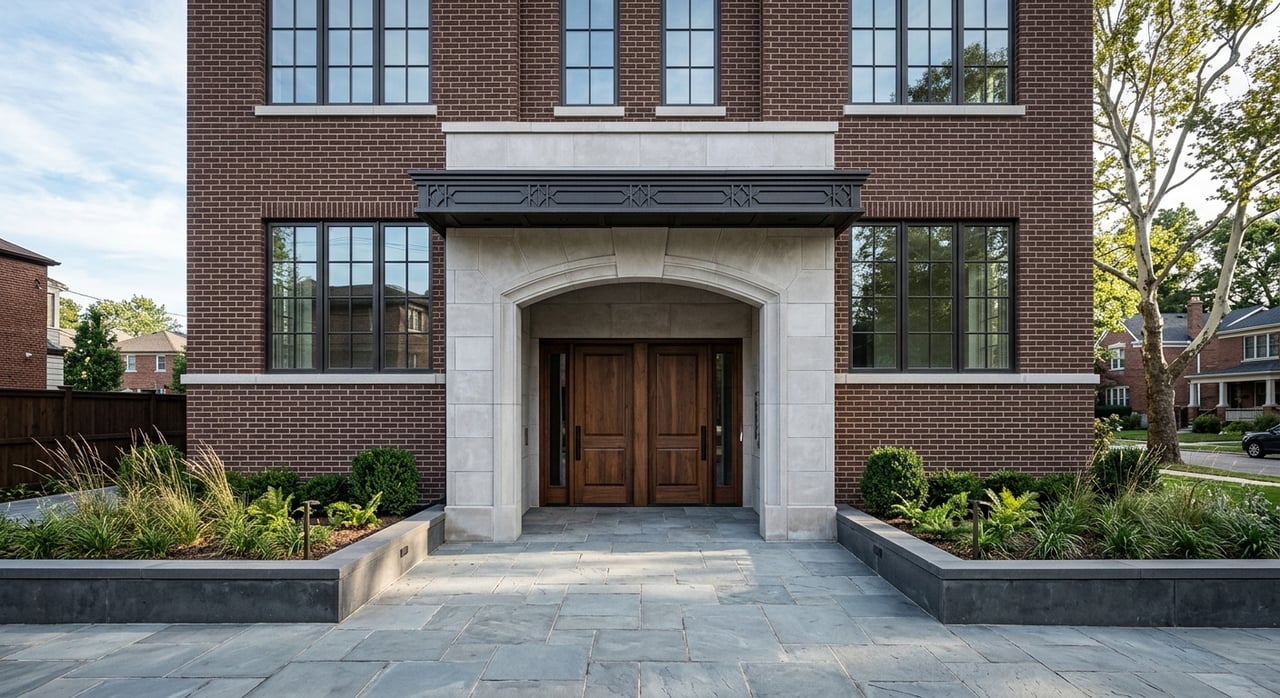
You are just over the George Washington Bridge from the city, yet on quiet suburban streets with sizable lots and a high standard of design. New construction inventory is tight and skews to the luxury tier, so list prices often sit well above borough-wide medians. That premium reflects larger footprints, elevated finishes, and energy-efficient systems required by New Jersey’s current codes. If you want new, plan ahead and be ready to act when the right home appears.
Borough medians trend in the mid seven-figure range, while actively marketed new builds commonly list in the multi-million-dollar tier. Recent local examples show features such as 6-plus bedrooms, multi-car garages, outdoor pools, and fully finished lower levels that rival private clubs. Limited supply and an ultra-convenient location support those premiums. If you prefer a custom route, you will balance design control against longer timelines and carrying costs while you build.
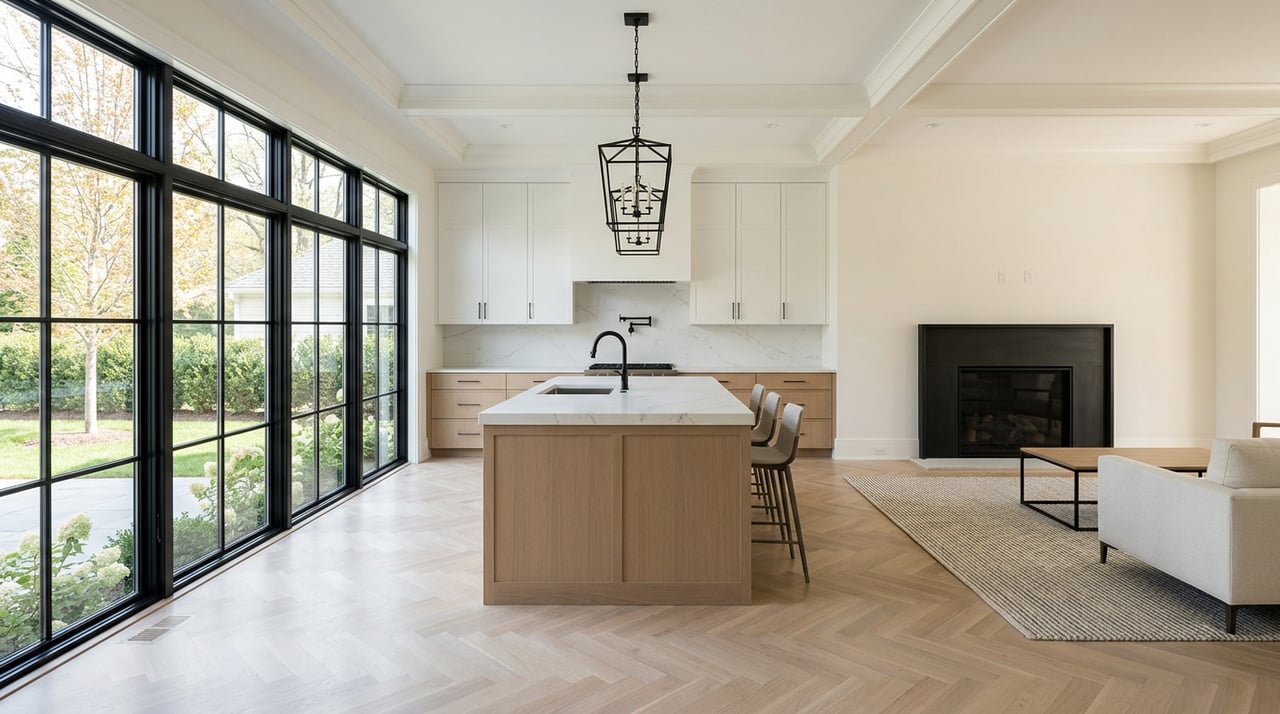
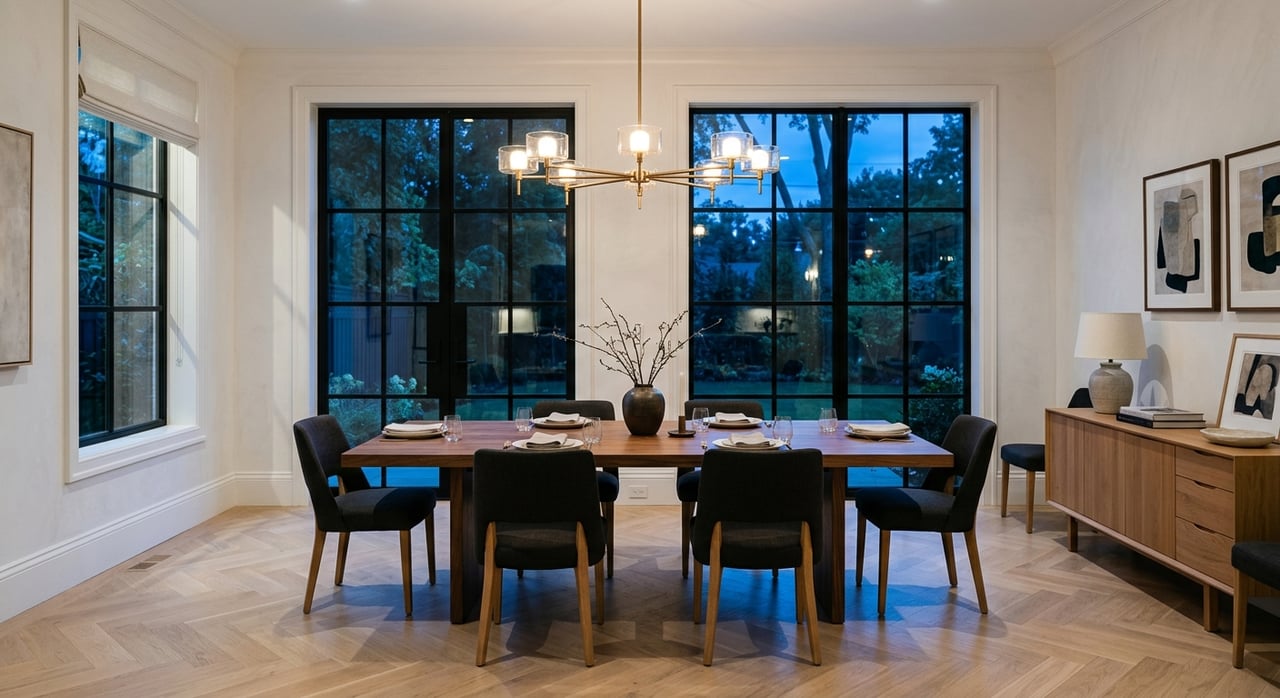
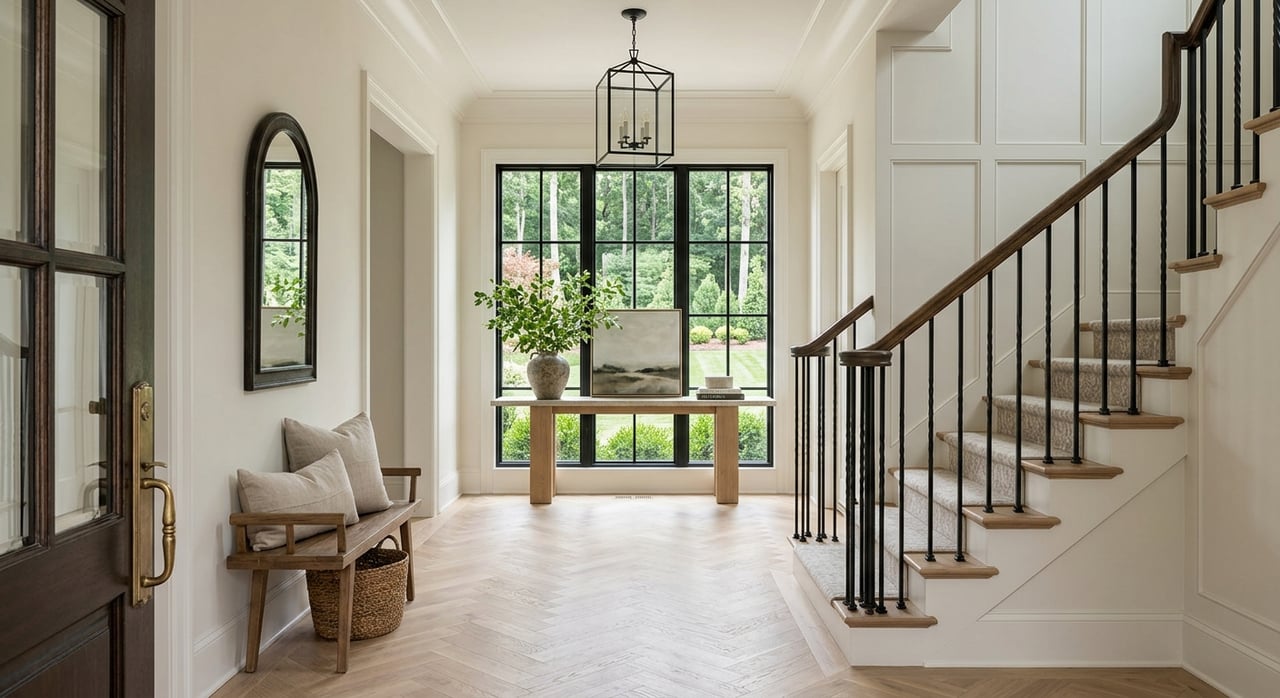
Most new builds feature 4 to 7 or more bedrooms, 3 finished levels, and 3-car garages. You’ll often see 10-foot ceilings on the main floor, a dramatic foyer, and an open great room that connects to the backyard. Many plans add a formal dining room or flexible office spaces.
Expect chef-level kitchens with high-end cabinetry, premium appliances, and large islands. Pantries or prep kitchens are common for entertaining. Stone countertops, wide-plank flooring, and custom millwork round out the look.
Primary suites typically include a sitting area, dual closets, and a spa-style bath. Multiple secondary bedrooms are often ensuite, which keeps morning routines simple.
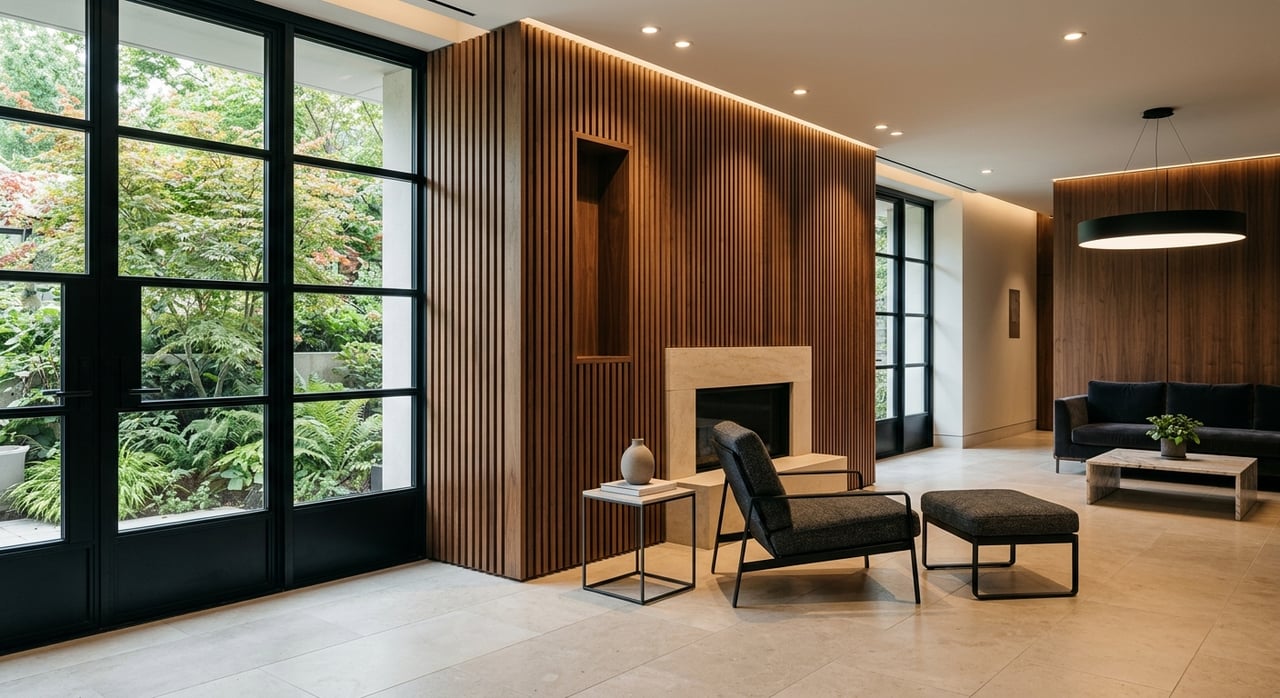
Fully finished lower levels can include a home theater, gym, wine room, and generous recreation space. Many designs aim for daylight or walk-out exposures to make these spaces feel like an extension of the main floors.
Outdoor programs often include in-ground pools, covered terraces, and built-in kitchen setups. Behind the walls, you’ll find modern mechanicals and insulated envelopes that meet New Jersey’s current energy code. Because the state adopted the 2021 IECC, new homes must meet stronger efficiency standards that can reduce operating costs over time. You can review the policy context in this summary of the state’s energy code benefits from the Board of Public Utilities and Rutgers research.
Local zoning sets the box your architect must design within. Englewood Cliffs uses single-family districts such as R-A, R-B, and R-B1, each with minimum lot areas, frontages, setbacks, and lot coverage limits. The borough’s schedule is the go-to document for bulk standards.
Illustrative numbers show minimum lots around 10,000 square feet in R-A and near 5,000 square feet in R-B1. Maximum lot coverage in R-B and R-B1 commonly sits around 32 percent, with limited conditions that can allow up to 35 percent. Small side and rear yard minimums appear in several tables, but front setbacks and any overlay rules can change what is buildable on a specific parcel. Always confirm the rules for your lot.
Englewood Cliffs has a history of preserving Palisades views, and height has been a topic in past planning discussions. If your site is near view-sensitive areas, verify height and any overlay constraints before you design. For background, see the borough’s planning history summarized on the Englewood Cliffs page.
Start with the Zoning Officer and the Building Department to confirm your parcel’s district, setbacks, and any special rules. Permit checklists, forms, and contacts are posted on the Englewood Cliffs Building Department page.
New Jersey enforces the State Uniform Construction Code, and the borough administers permits and inspections. A typical path includes zoning confirmation, any needed Planning Board or Board of Adjustment reviews for variances, then building permits followed by staged inspections. Final occupancy is granted when you receive a Certificate of Occupancy.
National data shows many single-family homes complete around 8 to 10 months from permit to finish, especially for production or spec builds. Custom luxury projects usually take longer due to design, selections, and site complexity. Plan on 12 to 24 months or more from design start to move-in for a fully custom estate, plus a buffer for weather, inspections, and supply timing.
New Jersey’s New Home Warranty and Builders’ Registration Act requires builders to register and provide warranty protection. Before you sign, ask the builder to show their state registration and warranty program details. Typical practice includes a one-year workmanship period, two-year systems coverage, and a limited structural warranty. You should also understand the state’s process for addressing warranty claims.
Use this quick list to compare options and protect your interests.
Whether you want to evaluate a high-end spec home, explore a teardown opportunity, or compare resale options, you deserve clear guidance rooted in Englewood Cliffs expertise. Let a local, boutique team help you navigate zoning, timelines, and the fine print so you move forward with confidence. Start the conversation with Michael Broderick to map your plan.
Stay up to date on the latest real estate trends.

With our knowledge and expertise in local trends of this ever-evolving market, we are dedicated to helping buyers and sellers alike.
RIDGECO PROPERTIES
RIDGECO PROPERTIES INC
613 Bergen Blvd
Ridgefield NJ 07650
