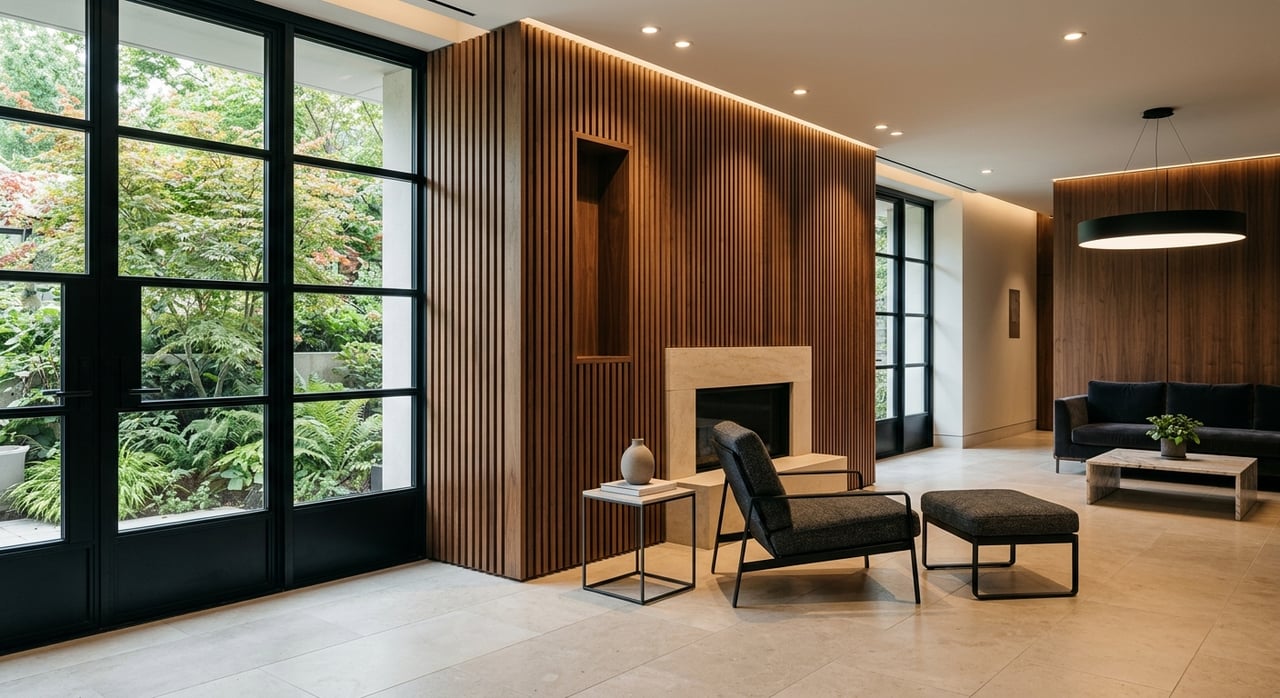
Edgewater NJ Condo Investment Guide for Buyers
May 28, 2026
May 28, 2026
Thinking about buying an Edgewater condo as an investment? You are not alone. This stretch of Bergen County stands out for its waterfront setting, commuter access, and condo communities built around lifestyle amenities that many renters will pay more to enjoy. If you are weighing whether the numbers and rules make sense, this guide will help you focus on what matters most before you buy. Let’s dive in.
Edgewater offers a mix that is hard to ignore: Hudson River views, access to Manhattan, and a housing stock where condos play a major role. Bergen County notes that the Edgewater Ferry Landing provides direct access to Midtown Manhattan, and the borough also runs ferry-bus shuttles along River Road and to the marina.
That commuter convenience lines up with local housing and income data. Census QuickFacts show a 39.8% owner-occupied housing rate, median gross rent of $2,579, median household income of $124,050, mean commute time of 38.1 minutes, and 72.7% bachelor’s-degree attainment. For investors, those figures point to a renter base that may place real value on location, access, and building quality.
In Edgewater, renters are often comparing buildings based on the full lifestyle package, not just the unit’s square footage. That means you should look closely at which amenities actually support demand and whether they help your unit stand out in a competitive building or submarket.
Examples from local condo communities show what tends to matter here. Independence Harbor lists a clubhouse, heated pool and jacuzzi, grill patio, exercise room, tennis and pickleball courts, basketball, playground, dog parks, a 24-hour security gatehouse, storage lockers, a bicycle room, EV charging, promenade access, and on-site management. Admiral’s Walk highlights a private waterfront walkway, 24-hour security, a fitness center, a pool with Hudson and skyline views, tennis courts, basketball, and concierge service.
Newer product also shows where renter expectations may be headed. Edgewater Harbor’s View Residences emphasize open layouts, sleek finishes, 9-foot ceilings, oversized windows, a Skydeck, riverwalk and private pier, coworking space, a designer pool, a fitness center, and concierge.
When you compare Edgewater condos, pay attention to amenities that can affect everyday convenience or perceived value, such as:
These features do not guarantee stronger returns on their own. Still, they can help explain why one building commands more rent than another nearby.
Inside the unit, the most important features are usually the ones renters use every day. Based on the local examples in the research, that includes oversized windows, open layouts, sleek finishes, hardwood flooring, granite countertops, stainless steel appliances, and outdoor space or rooftop access.
The key investment question is simple: will those features produce enough rent premium to cover the higher purchase price and carrying costs? A beautiful unit in a full-service building may attract attention quickly, but the return only works if the pricing gap makes sense.
One of the biggest mistakes condo investors make is treating HOA dues like a side note. In reality, HOA fees are part of your core operating cost and should be built into your underwriting from day one.
Condo associations use dues to fund shared building systems, common elements, insurance, and future repairs. Structural issues may be paid through association reserves or by special assessments. That means your monthly cost is not just mortgage, taxes, and utilities. It also includes the financial health of the building itself.
Even if a lender does not request every document, you should still review the association carefully. Key items include:
This is especially important because project-level issues can affect both financing and resale. A condo may look attractive as a rental, but if the association is weak, future buyers may face financing hurdles.
Condo financing is not only about your credit and down payment. It is also about whether the project itself meets lender standards.
According to the research provided, project eligibility can be affected by inadequate insurance, critical repairs, significant litigation, or hotel and short-term-rental characteristics. HUD’s FHA condo review also looks at factors such as project completion, legal standing, insurance, financial condition, title, pending litigation, and physical condition.
If a building has financing issues, your buyer pool may shrink when it is time to sell. It may also be harder for your future buyer to secure a mortgage, which can affect pricing and time on market.
For that reason, project review is not just a financing box to check. It is part of your exit strategy. An Edgewater condo with strong rental appeal and a well-run association may offer a smoother path both during ownership and at resale.
Before you buy any condo for investment, make sure your intended rental strategy actually fits local rules. In Edgewater, this step is essential.
The borough ordinance prohibits rentals of less than 30 consecutive days. It also bars advertising, soliciting, or facilitating those rentals, with penalties beginning at $1,250 per day for a first violation. In short, Edgewater is not set up for a short-term rental strategy.
If you are considering a condo because it seems ideal for frequent turnover or vacation-style use, you need to rethink the plan. Your investment should be underwritten as a longer-term rental, not as an Airbnb-style property.
You should also confirm building rules in addition to borough rules. A condo association may have leasing restrictions that are separate from local ordinances, and those rules can shape how flexible your investment really is.
Edgewater also requires certain local compliance steps before a property changes hands or occupancy changes. The borough requires a Certificate of Continued Occupancy before rentals and sales.
The research also states that a fire-prevention certificate of compliance must be obtained before a property is sold or rented out and before a new occupant moves in. For investors, this is a practical reminder that the transaction does not end with the closing table. Local compliance can affect your timeline to lease the unit or complete a sale.
Edgewater’s rent-control code is another rule worth understanding, even if many single-unit condo owners may not be directly affected. Under the borough code, covered rentals are generally capped at 5% per year when heat is furnished and 3.5% when it is not.
There is an important exception for condominium and cooperative units. The research states that those units are exempt unless the landlord owns three or more units in the same building.
If you are buying one condo as a standalone investment, that exemption is often favorable. If you are planning to assemble multiple units in the same building, you should look more closely at how the local code may apply.
This is one more reason not to analyze each condo in isolation. Your ownership strategy across a building can change the rules that affect future rent growth.
Before you move forward on an Edgewater condo, pressure-test the deal with a few practical questions:
If a property checks the lifestyle boxes but fails on building finances, project eligibility, or rental restrictions, the investment case may weaken quickly. In Edgewater, the hidden details matter just as much as the river views.
The strongest Edgewater condo investments usually combine two things: a building that offers the amenities renters value and a location that supports commuter-friendly, waterfront living. But the real decision should go beyond finishes and views.
You also need to study HOA costs, reserve strength, insurance, project eligibility, local rental rules, and required compliance steps. When you look at the full picture, you can make a more disciplined decision and avoid buying a condo that looks appealing on paper but underperforms in practice.
If you are comparing Edgewater condo opportunities and want a local perspective grounded in Bergen County market knowledge, connect with Michael Broderick for thoughtful guidance on investment-focused purchases.
Stay up to date on the latest real estate trends.


With our knowledge and expertise in local trends of this ever-evolving market, we are dedicated to helping buyers and sellers alike.
RIDGECO PROPERTIES
RIDGECO PROPERTIES INC
613 Bergen Blvd
Ridgefield NJ 07650
