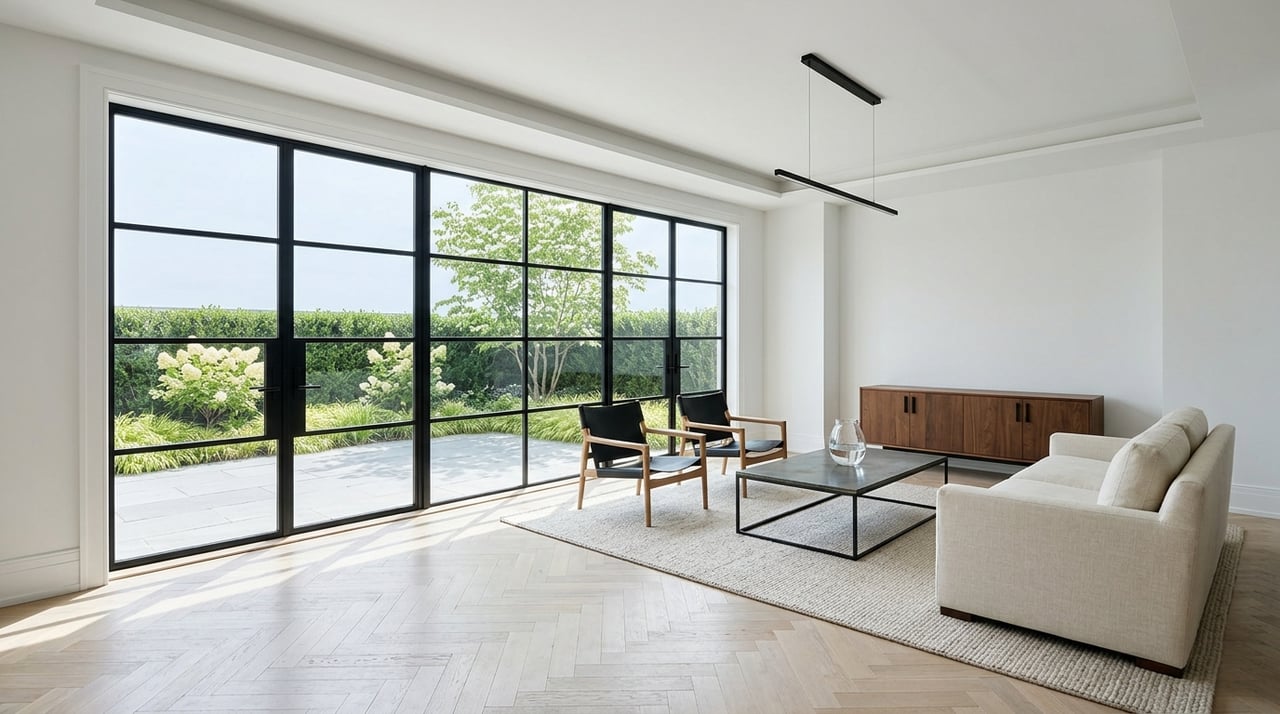
Englewood Cliffs vs Manhattan: Find Your Best Fit
June 11, 2026
June 11, 2026
Wondering whether your next home should come with skyline energy or suburban breathing room? If you are choosing between Manhattan and Englewood Cliffs, you are really deciding how you want your days to feel. This guide breaks down the lifestyle tradeoffs so you can compare space, commute, pace, and long-term fit with more confidence. Let’s dive in.
Englewood Cliffs and Manhattan sit close together on the map, but they offer very different living patterns. Englewood Cliffs is a 2.13-square-mile borough with 5,342 residents, while Manhattan has 1,694,251 residents across 22.66 square miles. That difference shapes almost everything from privacy to noise to how often you share space with others.
The density gap is especially telling. Manhattan has about 74,781.6 people per square mile, compared with 2,512.7 in Englewood Cliffs. In simple terms, Manhattan delivers constant activity and immediate access, while Englewood Cliffs offers a more spacious and private residential setting.
If space matters to you, Englewood Cliffs has a very different profile from Manhattan. The borough has a much higher owner-occupied housing rate at 83.5 percent, compared with 25.1 percent in Manhattan. Average household size is also larger in Englewood Cliffs at 2.65 people versus 2.00 in Manhattan.
Those numbers suggest a more ownership-focused and long-term residential pattern in Englewood Cliffs. Manhattan, by contrast, aligns more with compact urban living and shared building environments. If you picture home as a place to spread out and stay awhile, Englewood Cliffs may feel more natural.
Another useful sign is how long people tend to stay put. In Englewood Cliffs, 92.3 percent of residents lived in the same house a year earlier, compared with 83.6 percent in Manhattan. That points to a more settled day-to-day rhythm in the borough.
The local structure also supports that feeling. Englewood Cliffs highlights recreation, events, sports programs, and volunteer opportunities through its Parks and Recreation department. That creates a community-centered environment that often appeals to buyers looking for a quieter, more rooted routine.
If your priority is access, Manhattan is hard to match. New York City Transit manages a system that includes 472 subway stations and 238 local bus routes, plus 20 Select Bus Service routes and 75 express bus routes in the five boroughs. That level of transit access supports a fast, highly connected lifestyle.
For many buyers, that means less planning and more spontaneity. You can move through the city quickly, often without needing a car, and daily errands, dining, work, and entertainment are woven into the same urban grid. If you thrive on convenience and momentum, Manhattan may fit you better.
Choosing Englewood Cliffs does not mean giving up access to Manhattan. NJ Transit Bus Route 166 serves the Van Nostrand Avenue at Grand Avenue stop and runs to Port Authority Bus Terminal. That gives residents a direct bus option into the city.
You also have nearby ferry access through Edgewater Ferry Landing, which offers weekday Midtown service to West 39th Street and a Downtown route with a transfer at Port Imperial. For some commuters, that adds flexibility to the weekly routine. It can be especially useful if you want options beyond driving.
The George Washington Bridge also plays a major role in the cross-Hudson connection. According to the Port Authority, the bridge is open to pedestrians and bicyclists as well. That makes the move across the river feel less like a disconnect and more like a shift in how you balance space and access.
One of Englewood Cliffs’ strongest lifestyle advantages is its connection to the outdoors. The borough is closely tied to Palisades Interstate Park in New Jersey, a park that stretches about 12 miles long, half a mile wide, and includes 2,500 acres of Hudson River shorefront, uplands, and cliffs. The Englewood Cliffs entrance gives access where the Long Path crosses Palisade Avenue and the Dyckman Hill Trail connects hikers to the shore trail.
That kind of access shapes daily life. Outdoor time can feel built into your week rather than something you schedule far in advance. Combined with local recreation programs and community events, it supports a slower and more outdoors-oriented rhythm.
Manhattan also offers major park access, including Central Park at 843 acres. New York City Parks manages about 30,000 acres citywide. Still, in Manhattan, green space often feels like a destination within a dense urban setting, rather than the backdrop to everyday residential life.
The better choice depends on what you want your home to do for you. If you want your residence to provide calm, privacy, and room to grow into, Englewood Cliffs stands out. If you want your home to place you inside constant activity with transit at your doorstep, Manhattan may be the better match.
Here is a simple side-by-side view:
| Lifestyle Factor | Englewood Cliffs | Manhattan |
|---|---|---|
| Density | Lower-density residential setting | Very high-density urban setting |
| Housing pattern | Higher ownership, more settled feel | Lower ownership, more compact living |
| Household size | Larger average households | Smaller average households |
| Commute style | Bus, bridge access, nearby ferry options | Extensive subway and bus access |
| Outdoor access | Close connection to Palisades Interstate Park | Major parks within dense city grid |
| Daily rhythm | Quieter, more private, community-centered | Fast, convenient, highly connected |
You may feel more at home in Englewood Cliffs if your priorities include:
For many Bergen County buyers, that combination creates a strong middle ground. You stay connected to Manhattan, but you trade some immediacy for more room and privacy.
Manhattan may be the better lifestyle fit if you value:
That does not make one choice better than the other. It simply means your best fit depends on whether convenience or space plays the bigger role in your next chapter.
For most buyers, this decision is less about New Jersey versus New York and more about how you want to live each day. Englewood Cliffs offers more room, more privacy, and a more settled residential pattern. Manhattan offers unmatched immediacy, walkability, and transit convenience.
If you are weighing both, it helps to look beyond the headline and think about the routine. How much space do you want at home? How often do you commute? How important is outdoor access? When you answer those questions honestly, the right location usually becomes much clearer.
If you are considering a move to Englewood Cliffs and want local guidance grounded in Bergen County expertise, connect with Michael Broderick for a personalized conversation about your options.
Stay up to date on the latest real estate trends.
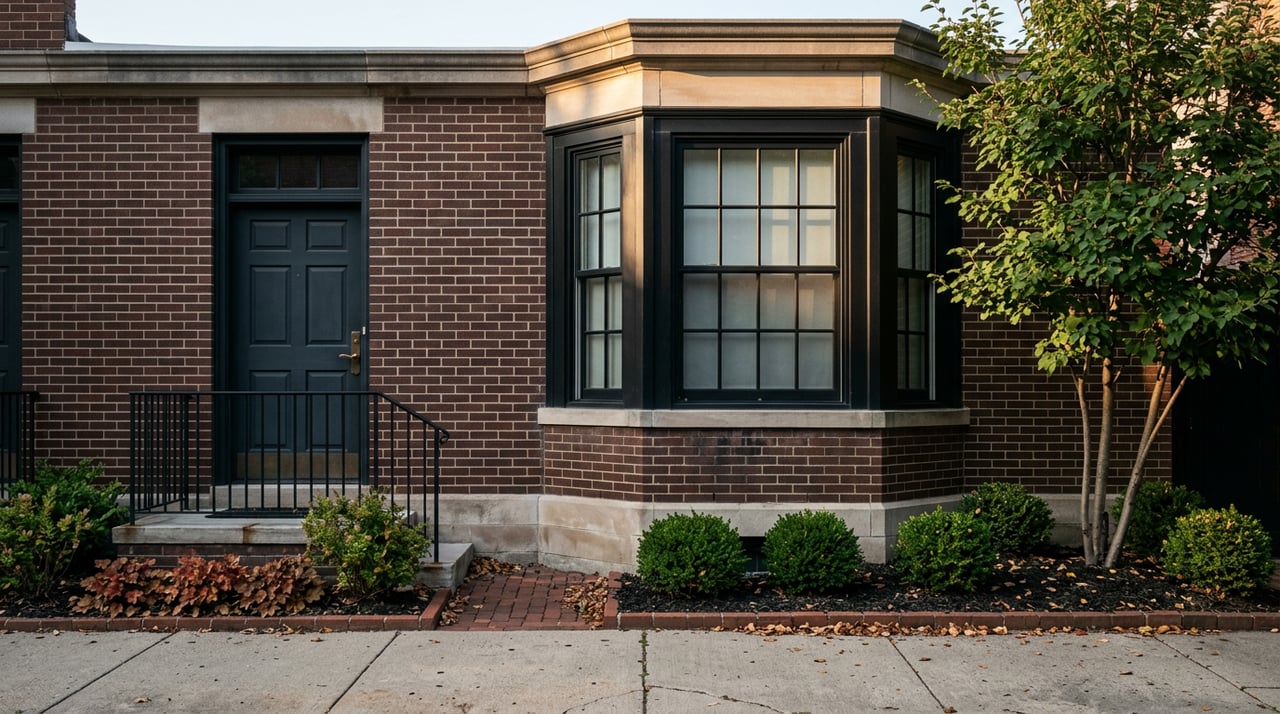
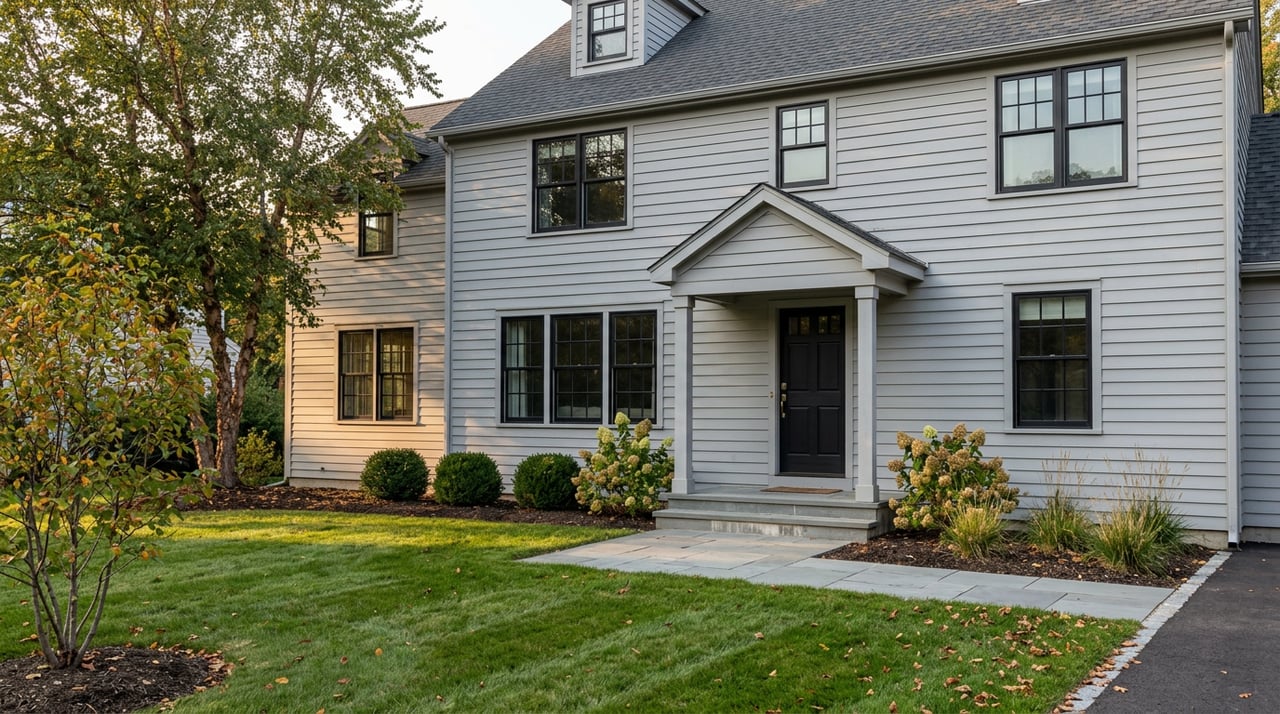
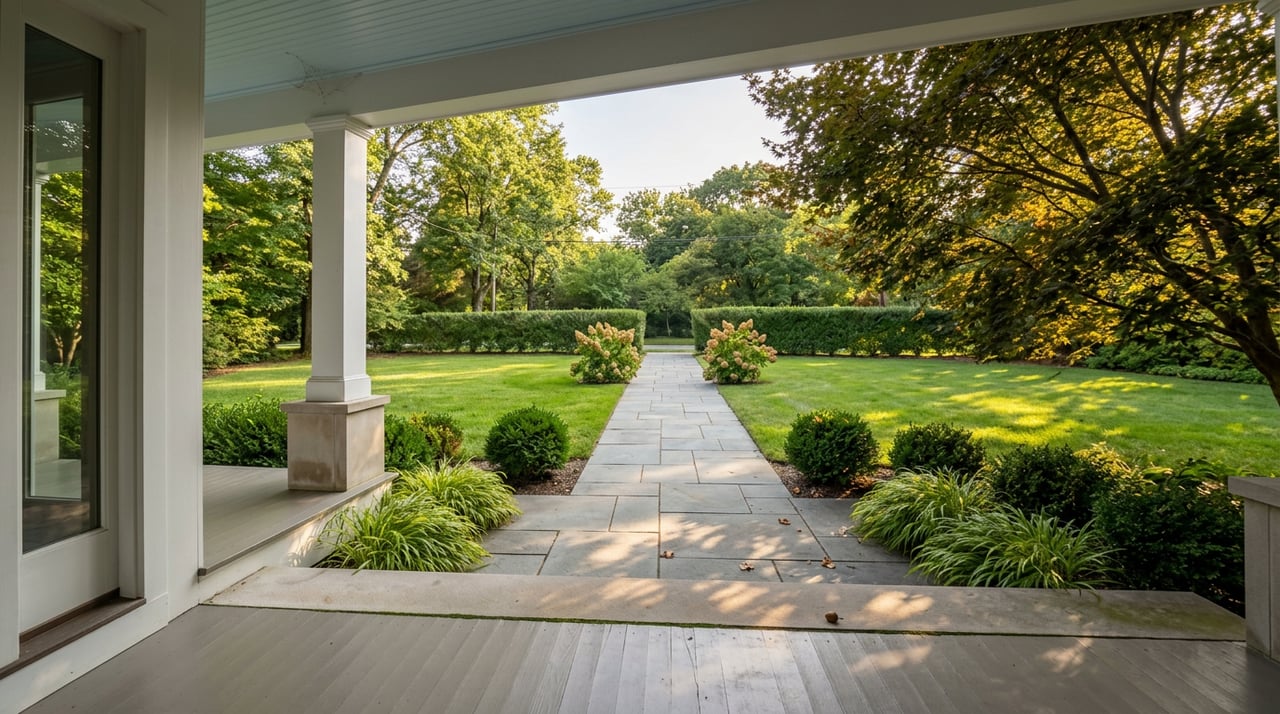
With our knowledge and expertise in local trends of this ever-evolving market, we are dedicated to helping buyers and sellers alike.
RIDGECO PROPERTIES
RIDGECO PROPERTIES INC
613 Bergen Blvd
Ridgefield NJ 07650
